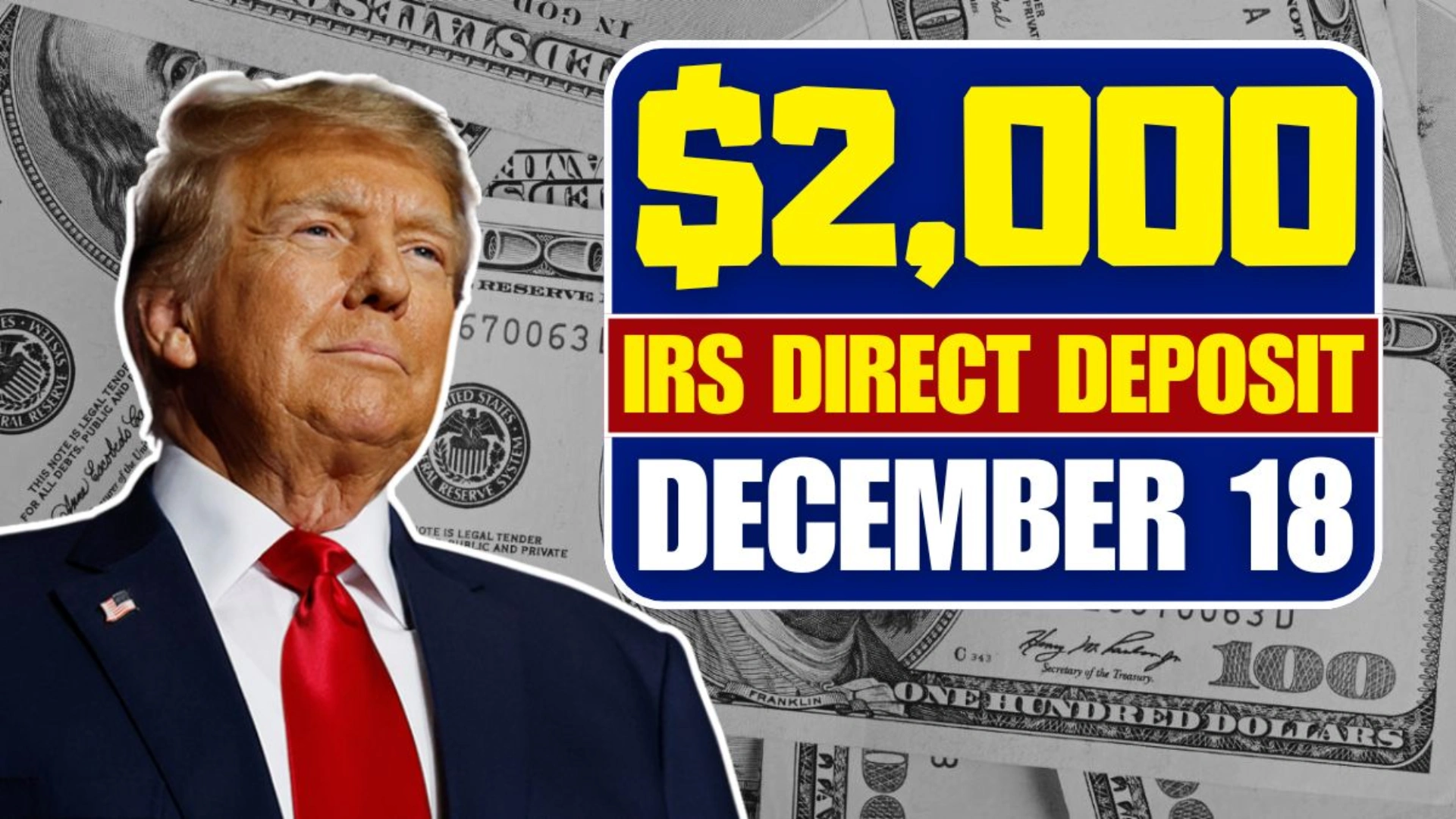
IRS Finally Approved $2,000 Direct Deposit: Online chatter is exploding with claims that the IRS has greenlit a $2,000 cash boost hitting bank accounts from December 18. Shared on platforms like Facebook and TikTok, these posts promise quick relief for holiday bills or inflation woes. But hold up—let’s break it down in plain terms. This “news” echoes past COVID aid but lacks any real foundation. Drawing from fresh checks on official channels, we’ll sort hype from truth to keep you informed and safe.
The Claim in Detail: What the Hoax Is Peddling
Fake articles paint a rosy picture: A one-time federal handout for most adults, auto-deposited if your tax info is current. Supposed perks include no taxes on the money and easy eligibility for folks earning under $150,000. Dates? Deposits wave out starting December 18, based on your Social Security number. “Just update your details,” they urge, linking to shady forms. Sounds too good? That’s because it is—crafted to lure clicks or worse, personal data.
Why It’s Spreading Now
Timing ties to year-end stress and election leftovers, like whispers of “tariff dividends” from political figures. But experts slam these as math-defying dreams—no funding, no votes in Congress. Social shares amp it up, but credible outlets call foul early.
Official Verdict: Zero Approval, All Smoke
Direct from the IRS: Crickets on this payout. Their news feed, updated daily, spotlights routine stuff like phasing out paper checks for refunds—not mystery millions. No press release, no law, no Treasury nod. The last big checks? 2021’s $1,400 hits, long closed. Recent IRS moves include late 2024 payments for missed COVID credits, wrapping by January 2025. Nothing new for December 18.
Fact-checkers back this: Major networks confirm the rumor as baseless, often a scam hook. Proponents cite no proof—just recycled graphics from years ago. Bottom line? If it were real, it’d blast from WhiteHouse.gov and CNN, not obscure blogs.
Spotting the Fakes: Red Flags and Scam Shields
These tales thrive on urgency: “Act now or miss out!” But legit IRS contact skips emails or pop-ups—think mailed letters only. Watch for:
- Unsolicited “claim” links demanding bank deets.
- Vague sources, no IRS hyperlinks.
- Promises of untaxed windfalls without forms.
Dodge by sticking to IRS.gov tools like “Where’s My Refund?” Report phonies to the FTC—your info’s worth protecting.
Genuine IRS Cash You Can Count On in 2025
Skip the myths; chase what’s real. The IRS dishes out billions yearly via taxes and credits—faster with direct deposit setup.
Tax Refunds: Your Holiday Helper
File 2024 returns come January 2026; averages hit $2,800 last season. Direct deposit zips it in 21 days—beats paper by weeks.
Unclaimed Credits Worth Grabbing
- Recovery Rebate: Missed 2021 stimulus? Too late post-April 2025, but check 2024 filings.
- Child Tax Credit: Up to $2,000 per kid—claimable now.
- Earned Income Credit: Low-wage boost, potentially thousands.
Pro move: Use the free IRS app for status checks. No rumors required.
Rumor vs. Reality: A Side-by-Side Breakdown
This table stacks the hoax against hard facts, pulled from verified reports. See how it crumbles?
| Feature | Rumor Claims ($2,000 Payout) | Actual IRS Facts | Key Difference |
|---|---|---|---|
| Approval Status | “IRS finally approved” | No announcement or legislation | No congressional bill passed |
| Start Date | December 18, 2025 | N/A—old credits ended Jan 2025 | Rumor ignores deadlines |
| Amount per Person | $2,000 (up to $4,000 couples) | Varies: Refunds avg. $2,800 | Not a flat stimulus |
| Eligibility | Income under $150K, SSN | Tax filers only, specific credits | Too broad; real aid needs filing |
| How to Get It | Auto-deposit, “update” online | File returns; use official tools | Scams vs. secure IRS portals |
| Tax Impact | “Not taxable” | Refunds non-taxable; credits yes | Misleads on real tax rules |
| Source Proof | Fake blogs, social shares | IRS.gov news, fact-check sites | Zero official links in rumors |
Numbers from IRS data and recent audits—proves the gap.
Broader Context: Why These Stories Hook Us
In shaky economies, free money fantasies flourish. This one’s a remix of 2020-21 aid, twisted with fresh policy buzz. But chasing ghosts risks real harm—like ID theft from bogus sites. Tune into trusted voices: Networks dissecting proposals show even “dividend” ideas fizzle fast, per budget pros. Stay grounded—real relief builds on policy, not posts.
Conclusion: Stay Smart, Skip the Scare
The so-called IRS $2,000 direct deposit from December 18? Pure fiction, designed to dupe not deliver. With no approval in sight, channel energy into legit gains like early filing for refunds. In a feed full of fakes, your best tool is verification—hit IRS.gov first, always. Knowledge keeps cash in your pocket, not scammers’. Fingers crossed for true aid ahead; until then, we’ve got facts on our side.
Frequently Asked Questions (FAQ)
Q: Is there any chance of a December 2025 stimulus? A: Unlikely without new laws—monitor Congress via official sites, but nothing’s queued now.
Q: How do I know if a payment is real from the IRS? A: Expect mailed notices only; use IRS.gov trackers. No calls or texts demanding info.
Q: What if I missed past stimulus—can I get it? A: 2021 claims closed April 2025; file 2024 taxes to snag related credits.
Q: Are there state-level checks like this? A: Some, like Alaska’s fund—check your state’s revenue site for details.